Understanding Enlarged Prostate Symptoms in Men Over 50
By Andrew Ellis, medical researcher and male health specialist with over 30 years of experience
If you're a man experiencing frequent trips to the bathroom, especially at night, a weak urine stream, or that frustrating feeling of never fully emptying your bladder, know that you're not alone.
According to health data from the US, benign prostatic hyperplasia (BPH), or enlarged prostate, affects about 50% of men aged 51-60, rising to 70% for those 60-69 and up to 80% over 70.
These urinary symptoms, known as LUTS (lower urinary tract symptoms), can start subtly but often worsen over time if unaddressed.
Common signs include:
- Needing to urinate often, including multiple nighttime awakenings (nocturia)
- Sudden urgency that makes it hard to hold
- Difficulty starting urination or a weak, interrupted flow
- Dribbling after finishing or feeling like the bladder isn't empty
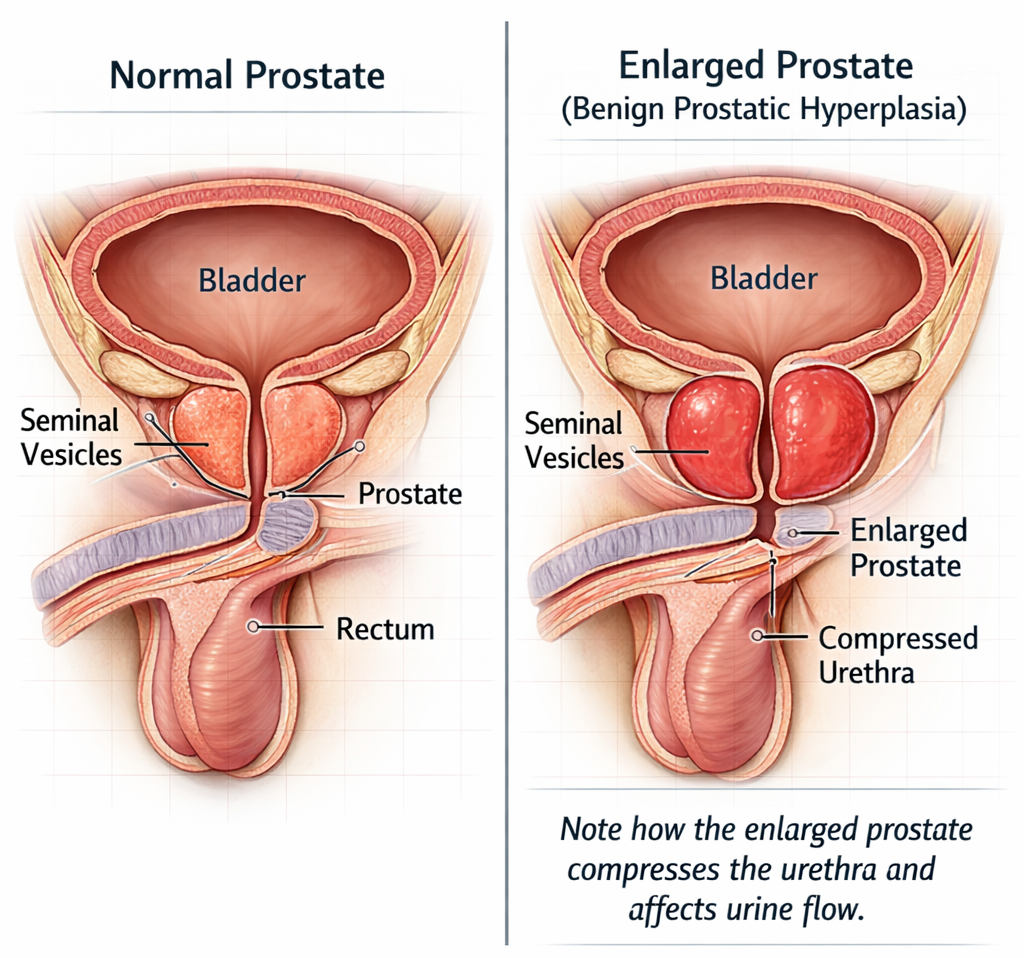
Living with BPH can significantly impact daily life. Many men report planning their days around bathroom access—avoiding long drives, limiting fluids, or even skipping social events out of fear of accidents. Nocturia disrupts sleep, leading to chronic fatigue, irritability, and reduced focus at work. The constant worry can cause anxiety and embarrassment, affecting relationships and self-confidence. Some describe it as "life revolving around the nearest toilet," with added stress from potential leaks or urgency during intimate moments.
While often blamed on age or hormones, recent research points to other factors, like a hidden biological process in the prostate that restricts flow and causes buildup. Studies from institutions like Fukushima Medical University in Japan highlight how this can accelerate symptoms. Ignoring it may lead to complications like infections or acute retention (inability to urinate).
Disclaimer: This is for informational purposes only—not medical advice. Consult your doctor for personalized guidance.
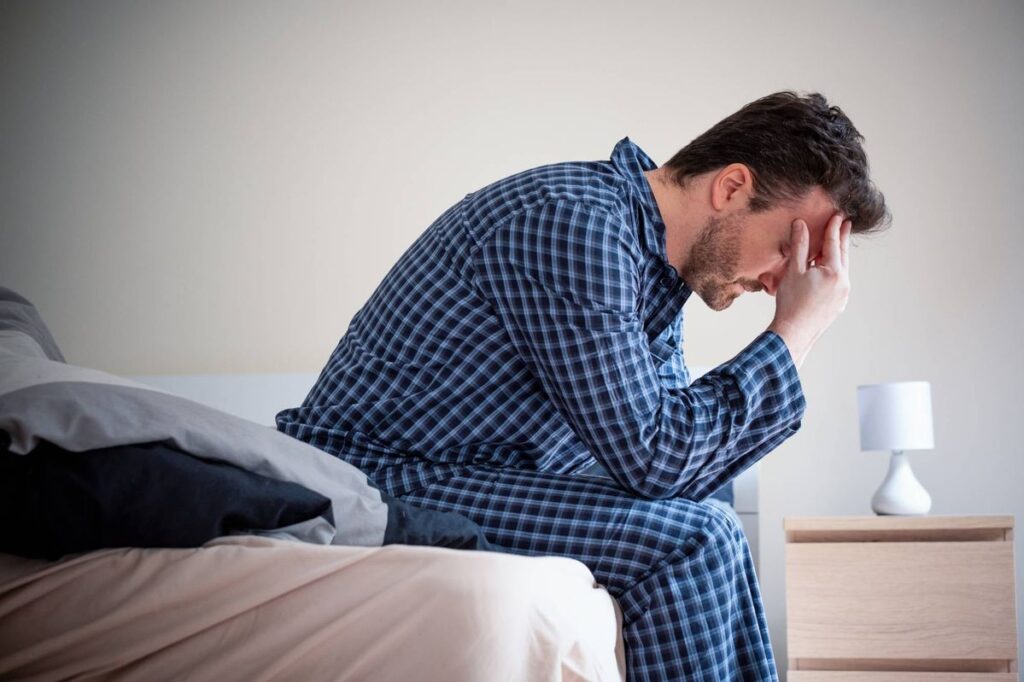
A medical researcher with over 30 years in men's health studied regions with low BPH rates and uncovered a natural mechanism disrupted in affected men. This explains BPH in ways not always discussed by doctors.
Before assuming nothing can help, watch this free video where he shares the real causes and what men can do.
Copyright 2025
All rights reserved.
The content on this website is for informational purposes only and should not be considered medical advice. We recommend consulting a qualified healthcare professional before making any changes to your health regimen. If you have any existing medical conditions or concerns, please seek guidance from your physician.
It is always advisable to conduct independent research and verify information from multiple sources before making health-related decisions. Consult your doctor before following any suggestions mentioned on this site or in relation to the promoted product.
Individual results may vary. The testimonials shared on this page represent personal experiences and are not indicative of guaranteed results.
This website does not provide medical diagnosis, treatment, or professional healthcare advice. Always seek the opinion of a licensed medical professional for any health-related inquiries.